
Estelle L. Roberge
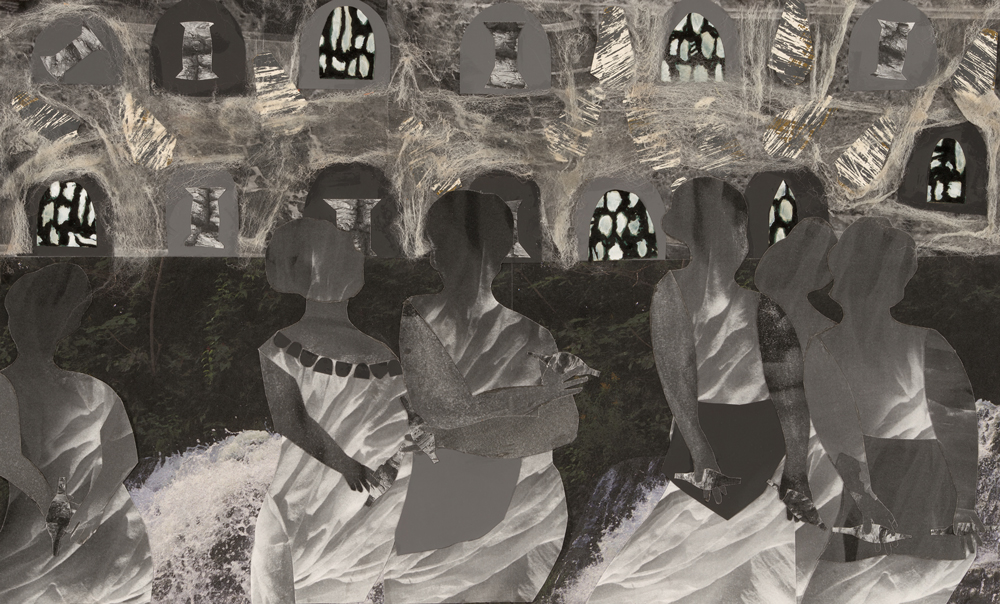 12″x20″; photo/collage, irregular edges; 2026. Estelle L. Roberge STATEMENT In the recent collages, I explore visual ideas through surfaces created from photographs and papers developed in my studio. Some of the cut and torn images originate from the world around me, while others are deliberately staged and photographed to achieve a conceptual outcome. I draw inspiration from a range of surfaces—textiles, marbles, magazines, wilderness areas, and tree bark. For example, I might float color into a bath of Irish moss and then photograph the resulting surface. From these photographic prints and papers, I create new collages by combining textures and forms—juxtaposing them with visual intention. The resulting two-dimensional surface becomes an entirely new image, constructed from two, three, or four mediums: photography, collage, painting, and printmaking. BIO Estelle L. Roberge was born in Maine, the sixth of nine children, and grew up in a Franco-American Irish-Canadian household. She graduated from the Portland School of Art and the University of Southern Maine in the 1980s and later traveled west in search of employment. She began her teaching career at Navajo Community College in Tsaile, Arizona. Later, she pursued an MFA at Idaho State University, where she focused on wilderness desert landscapes in south-central Utah. After receiving her MFA degree in painting, she taught in Maine and Utah. Finally, she made a home in New Mexico, where she taught and continues to reside. ARTIST CONTACT IMAGES 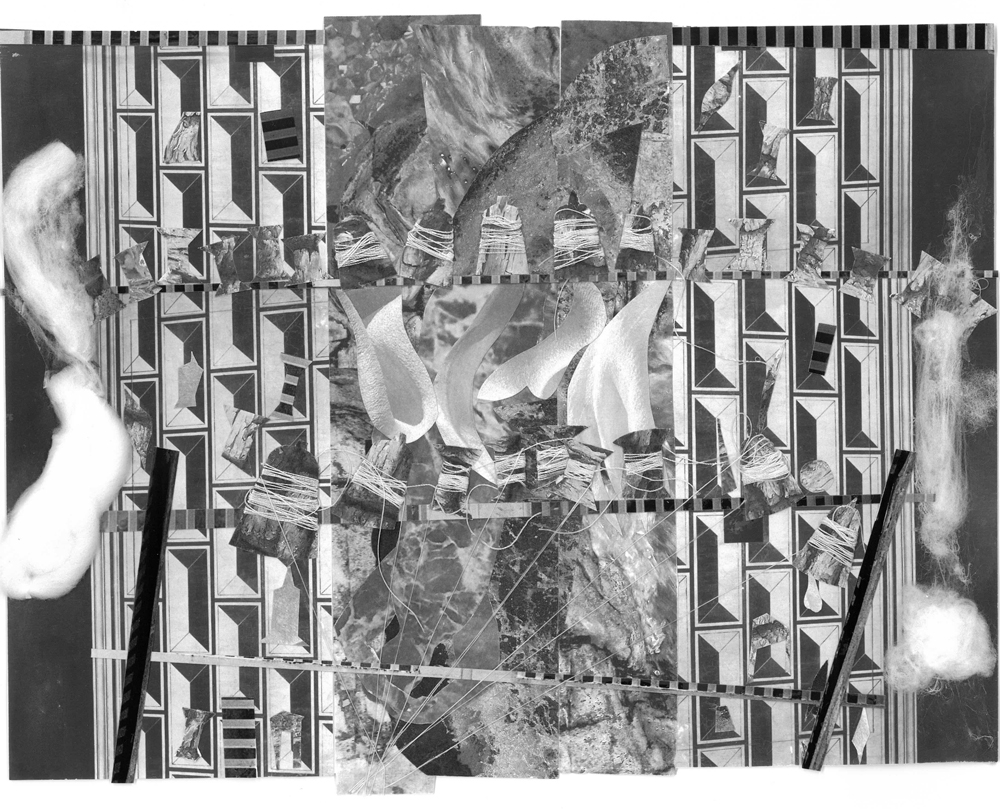 9.125″x12″; photo/collage, irregular edges; 2026 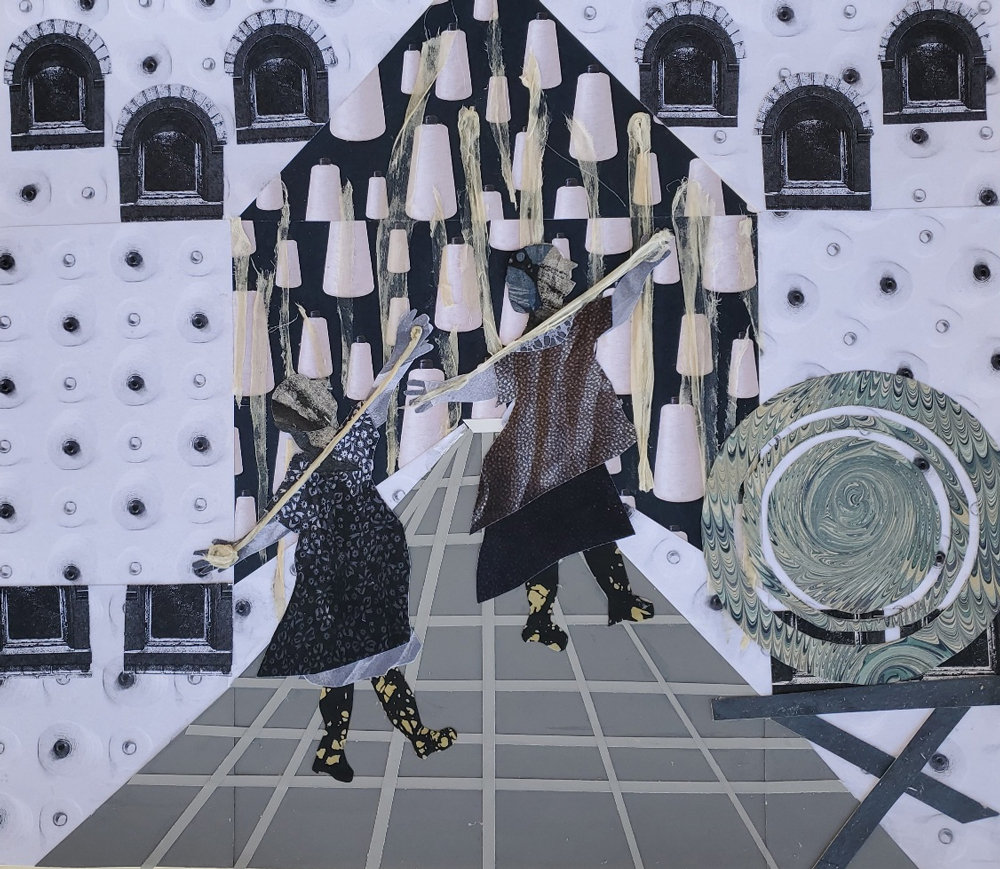 13.75″x15.875″; photo/collage, irregular edges; 2026. 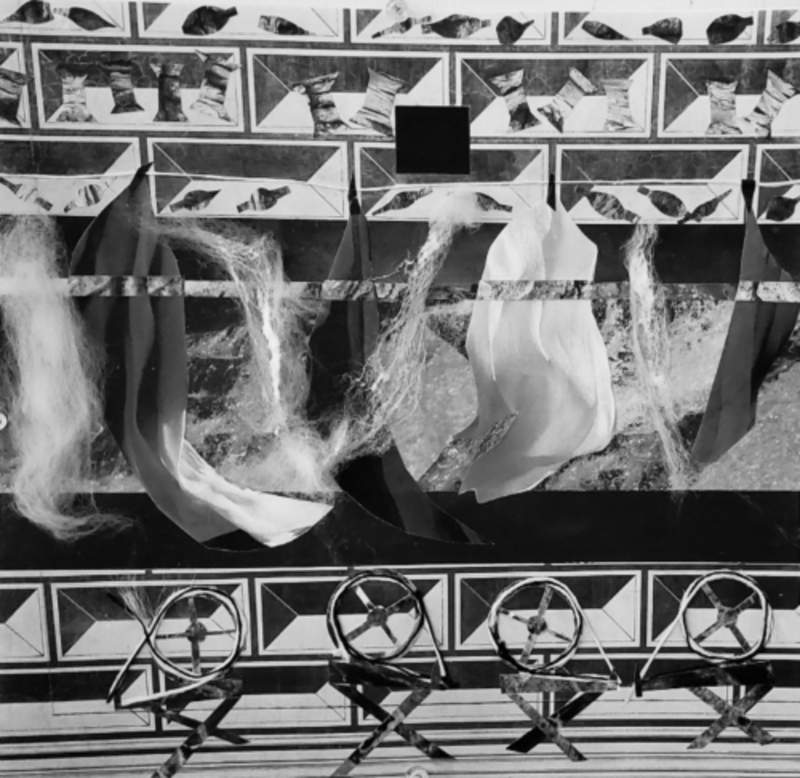 12.125″x11.5″; photo/collage, irregular edges; 2026 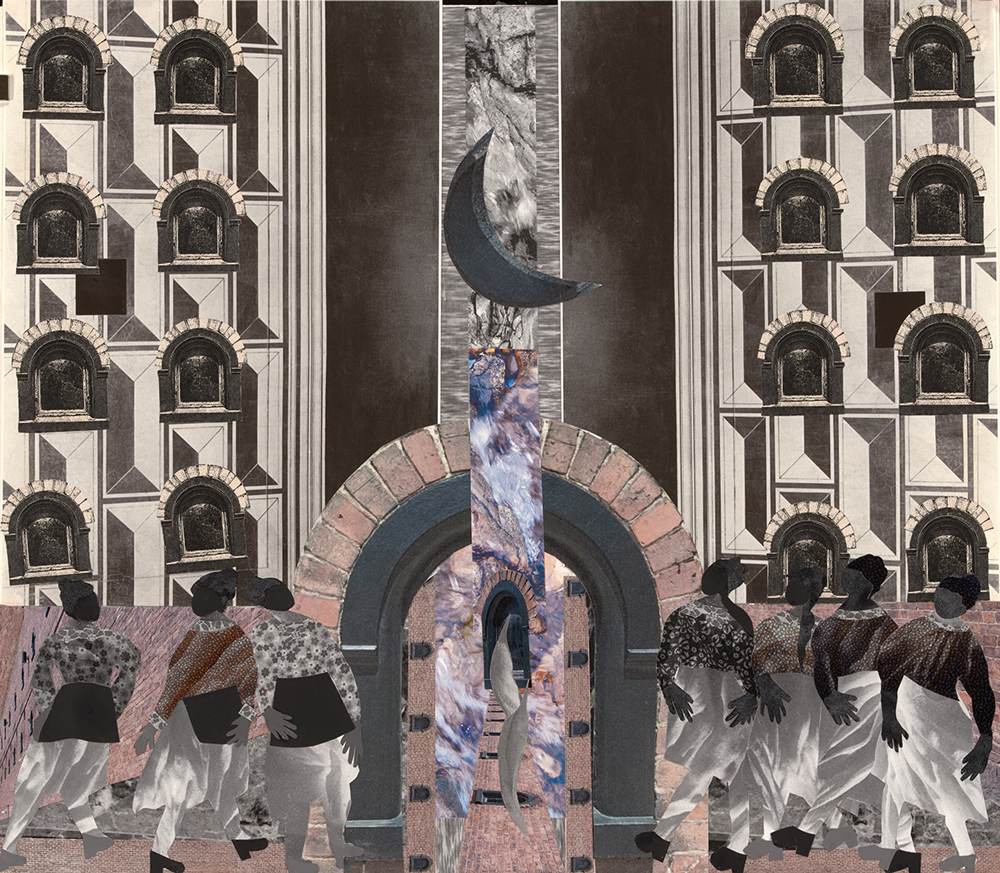 17.25″x19.75″; photo/collage, irregular edges; 2026. |