

VIRTUAL ARTIST RESIDENCY
Folklore & Collage Virtual Artist Residency
A four-week, virtual collage artist residency
Sessions: Four Sundays starting 14 December 2025, 1-3PM EST
Folklore & Collage Residency was a four-week program designed to support artists who wanted to develop a practice that includes folklore in their artmaking. In four virtual meetings over four weeks and through ongoing, online discussion, we explored folklore as an idea, its role in culture, and influence on art. During the Residency, artists identified stories from communities and made art which activated these stories. Artists examined the work done previously by artists in Kolaj Institute’s Folklore Collage Society Project to develop a series of strategies for making collage that is in conversation with folklore relevant to their own community.
See Kolaj Institute’s Folklore Collage Society Project page for an overview of the project and its history.
Why Folklore? Be it jokes shared among professionals or stories told to us as children or local legends about ghosts in a field; folklore stitches together elements of self and place; community and identity in a way that makes us more complete beings. Folklore churns the imagination, inspires wonder, and allows us to speak our fear and anxiety. Folklore is wisdom from the past rooted in a shared history. A community without folklore is a community without culture. A community without culture isn’t a community at all. Why Collage? Art has a unique ability to make the unseen seen. Art creates a space for conversation to happen. Collage is well-suited to making a bridge between the past and the present and because of that collage has a role to play in bringing folklore into the 21st century and helping us to make sense of folklore in our Modern world.
Taking a broad view of collage and rooted in an understanding of Artist Practice, the residency presented a working theory of folklore; what it is; how it functions in communities; and the role artists can play in activating, transmitting, and celebrating folklore in communities as a form of cultural expression and a strategy for community resilience. Artists learned how to identify and document folklore; made art in response to that folklore; built a context for the folklore; and developed strategies for getting that artwork to communities and into the larger ecosystem of Art.
The artwork made during the residency was considered for publication in Kolaj Institute’s Folklore Collage Society, a printed journal dedicated to artwork and artists who activate, transmit, and celebrate folklore as a form of cultural expression and a strategy for community resilience. In its pages, stories, statements, essays, field notes, poetry, and song lyrics mingle with collage art that shows how collage artists are thinking about the folklore. Artwork was also considered for an exhibition at Kolaj Institute Gallery in New Orleans that will take place 31 January to 11 April 2026.
PARTICIPATING ARTISTS
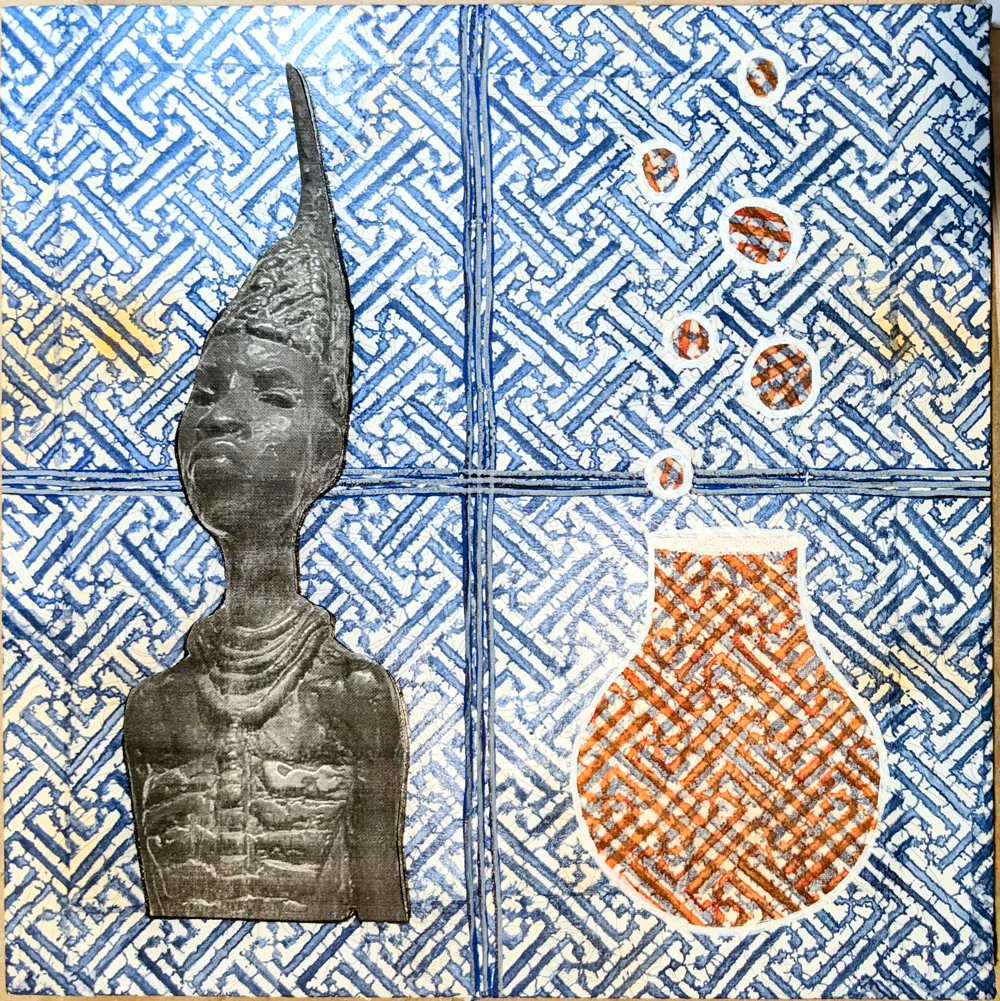
12″x12″; collage; 2025. Courtesy of the artist.
Adetola Abatan, Seatac, Washington, USA
INSTAGRAM
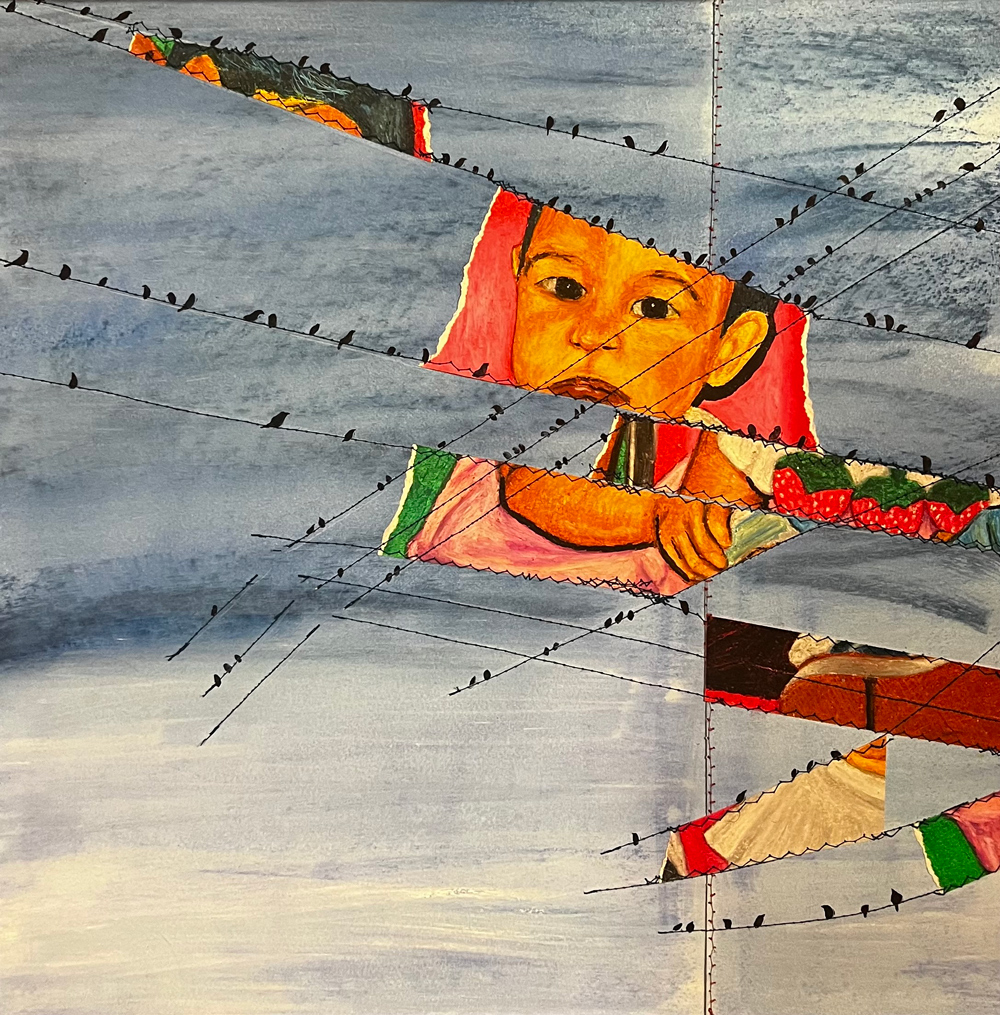
collage; 2025. Courtesy of the artist.
Andrea Allen, East Lansing, Michigan, USA
www.andreaeallen.com
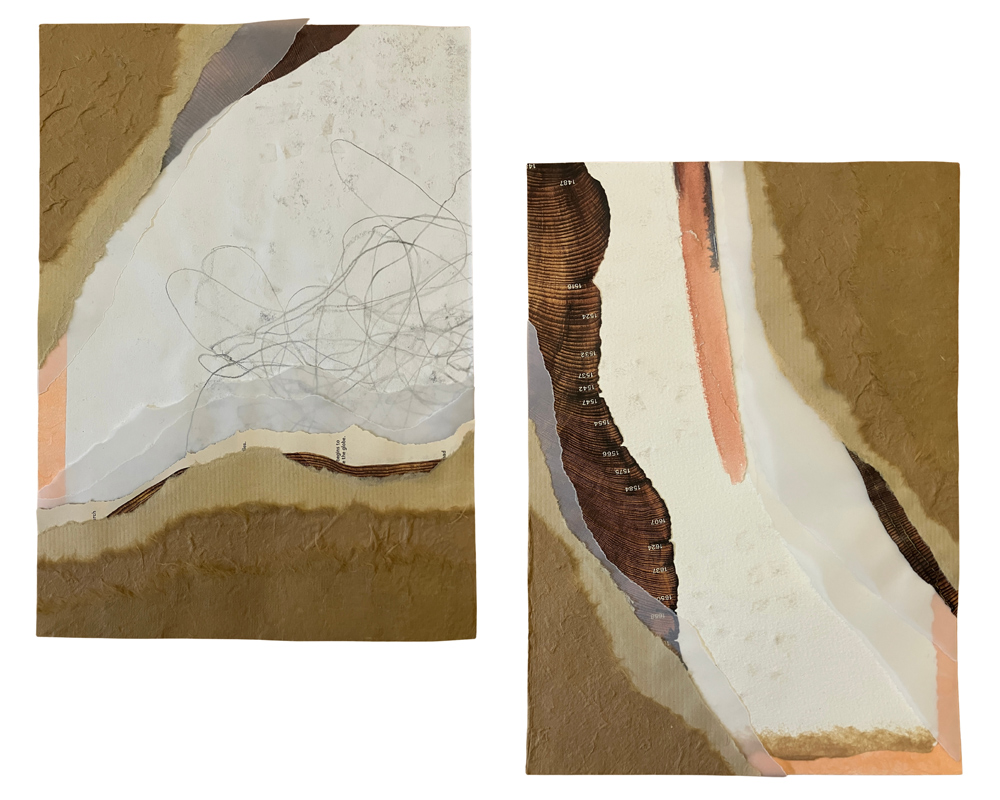
collage. Courtesy of the artist.
Melody Bellefeuille-Frost, Ottawa, Ontario, Canada
www.melodybellefeuillefrost.ca
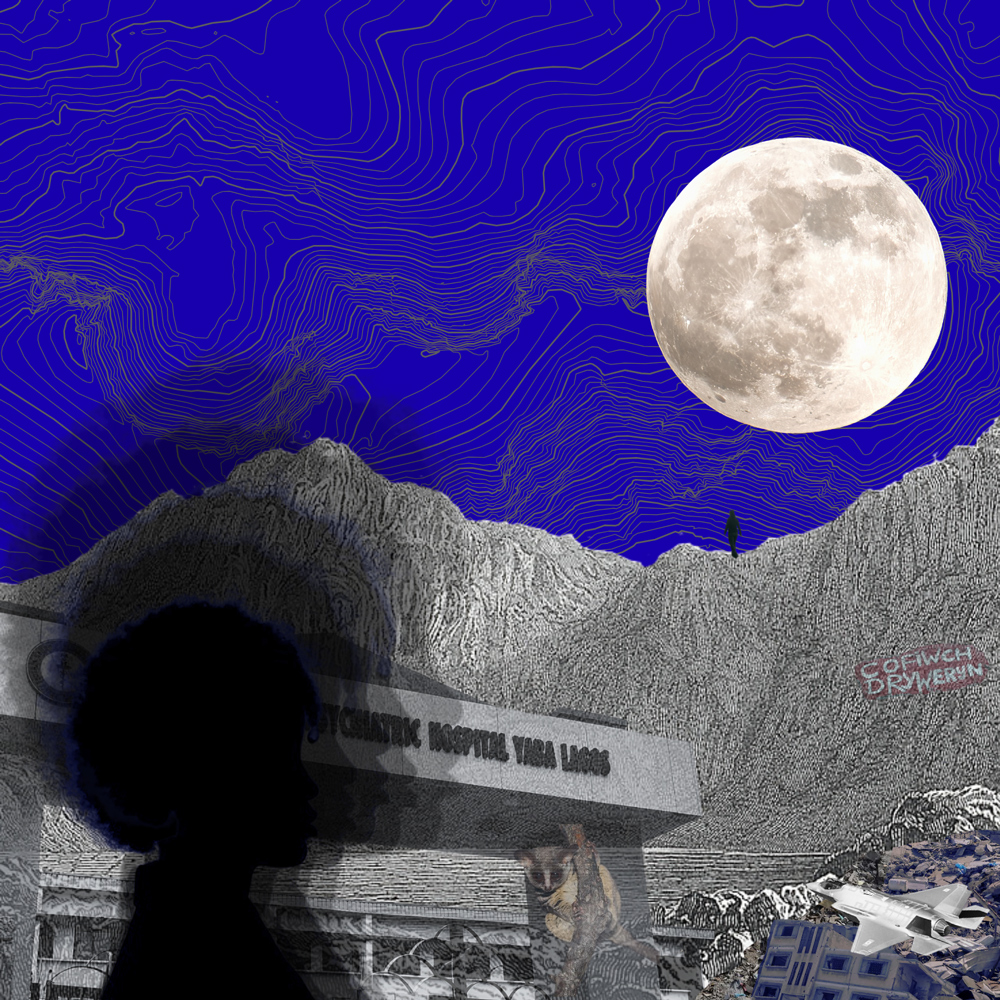
collage. Courtesy of the artist.
Elena Blackmore, Machynlleth, Powys, United Kingdom
elenatayo.my.canva.site
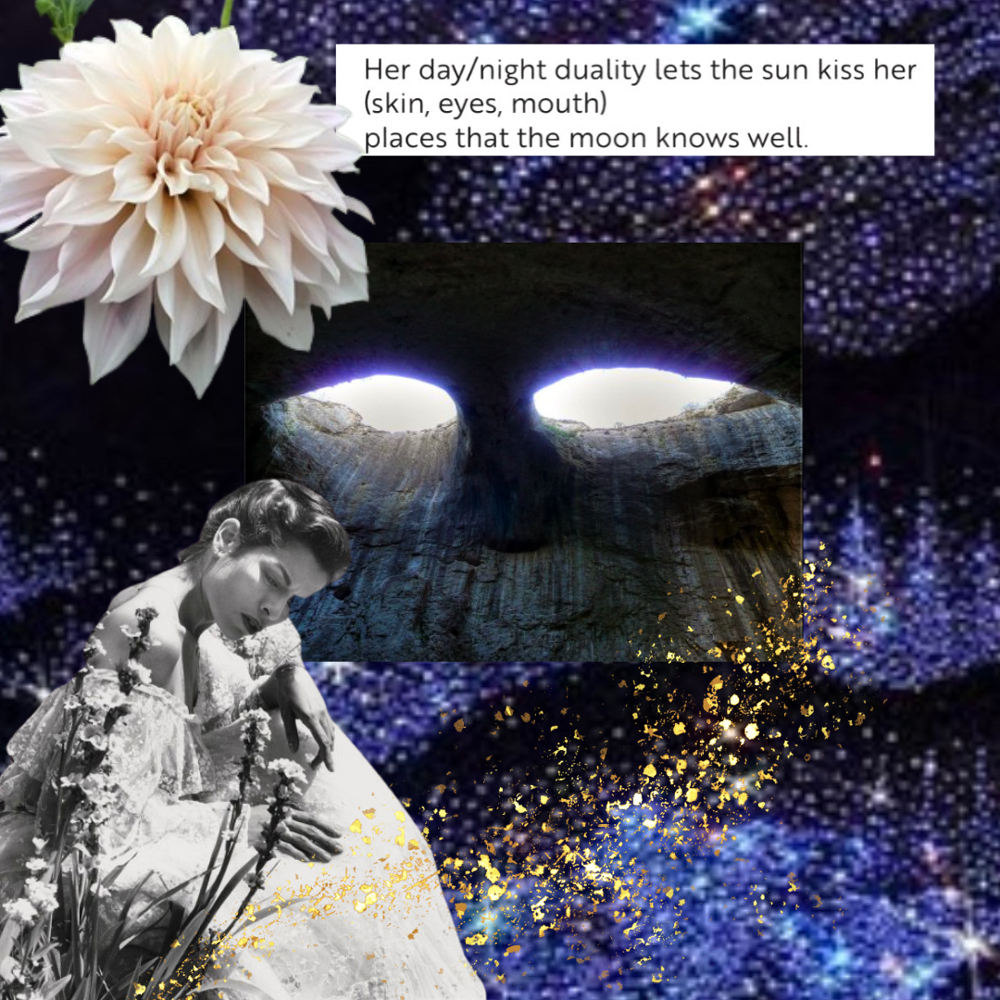
1080px x 1080px; digital collage; 2024. Courtesy of the artist.
Camaray Davalos, Temecula, California, USA
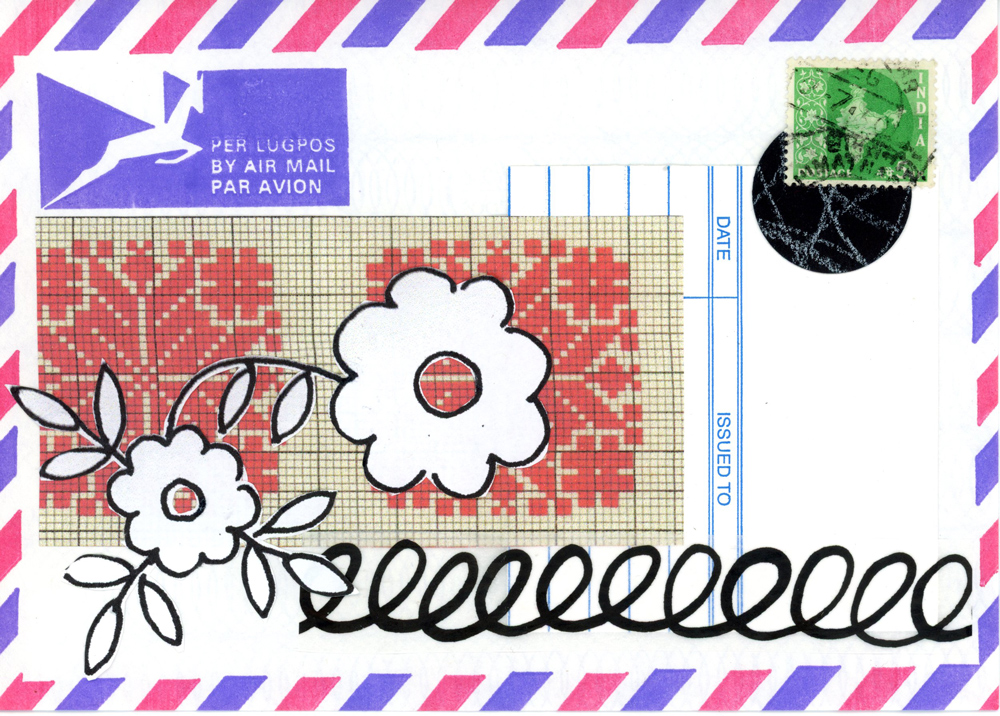
collage. Courtesy of the artist
Anjelika Deogirikar Grossman, Washington, DC, USA
www.anjelikaart.com
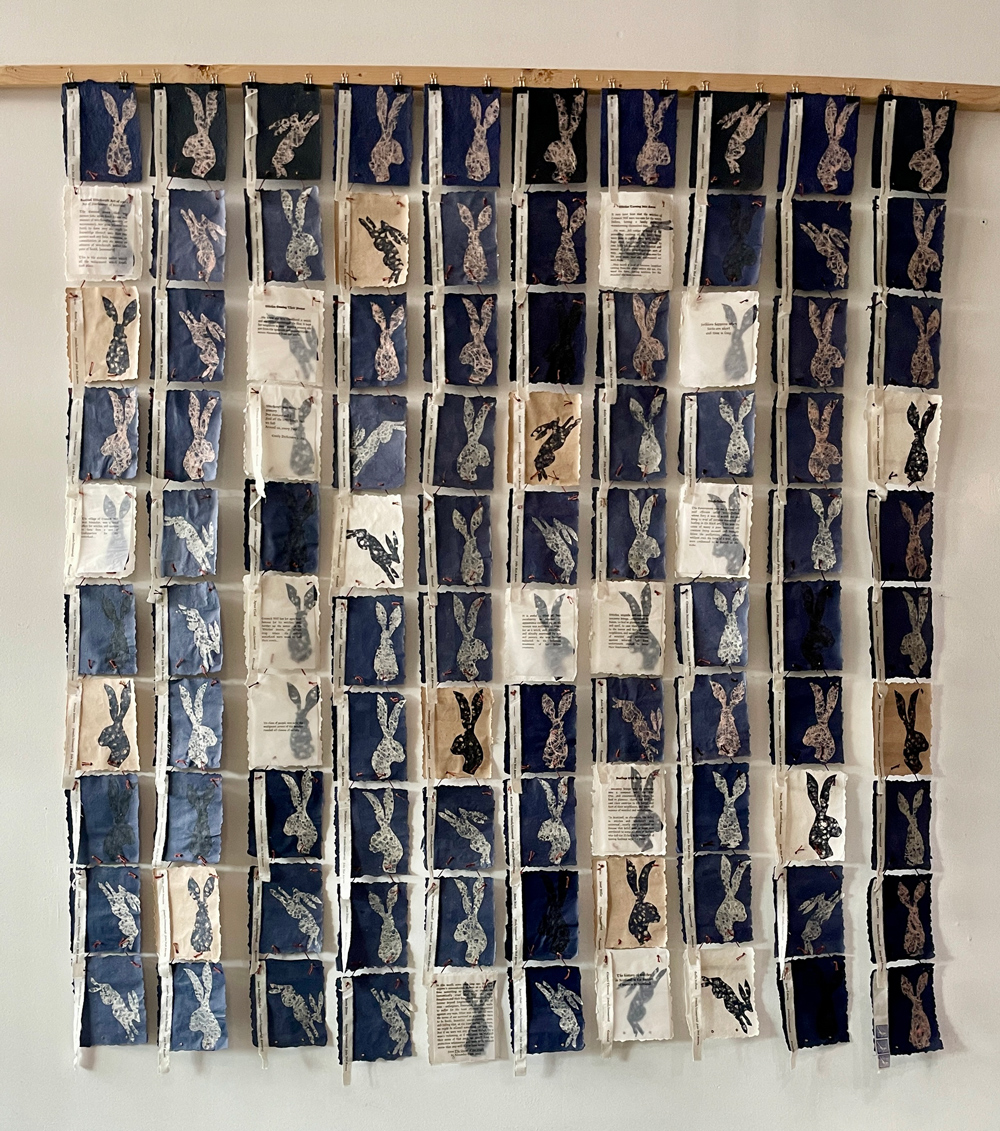
90″x60″x1″; paper, fabric, string, metal brads, foamcore, popsicle sticks; 2024. Courtesy of the artist.
Jennifer Evans, Denver, Colorado, USA
www.thefolkloremajor.com
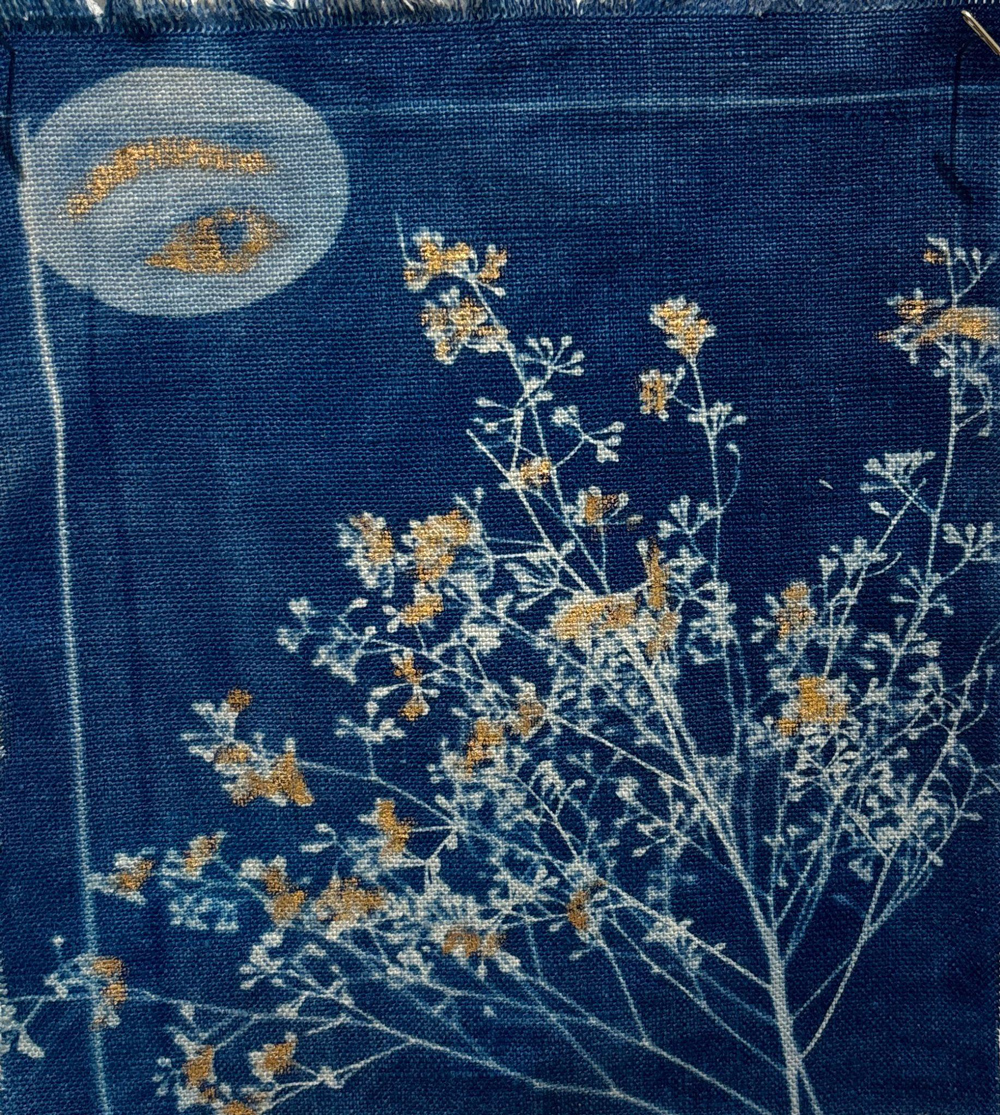
installation; mixed media collage, cyanotype on linen, oil pastel; 2025. Courtesy of the artist.
Khaleelah I. L. Harris, Washington, DC, USA
www.khaleelahharris.com
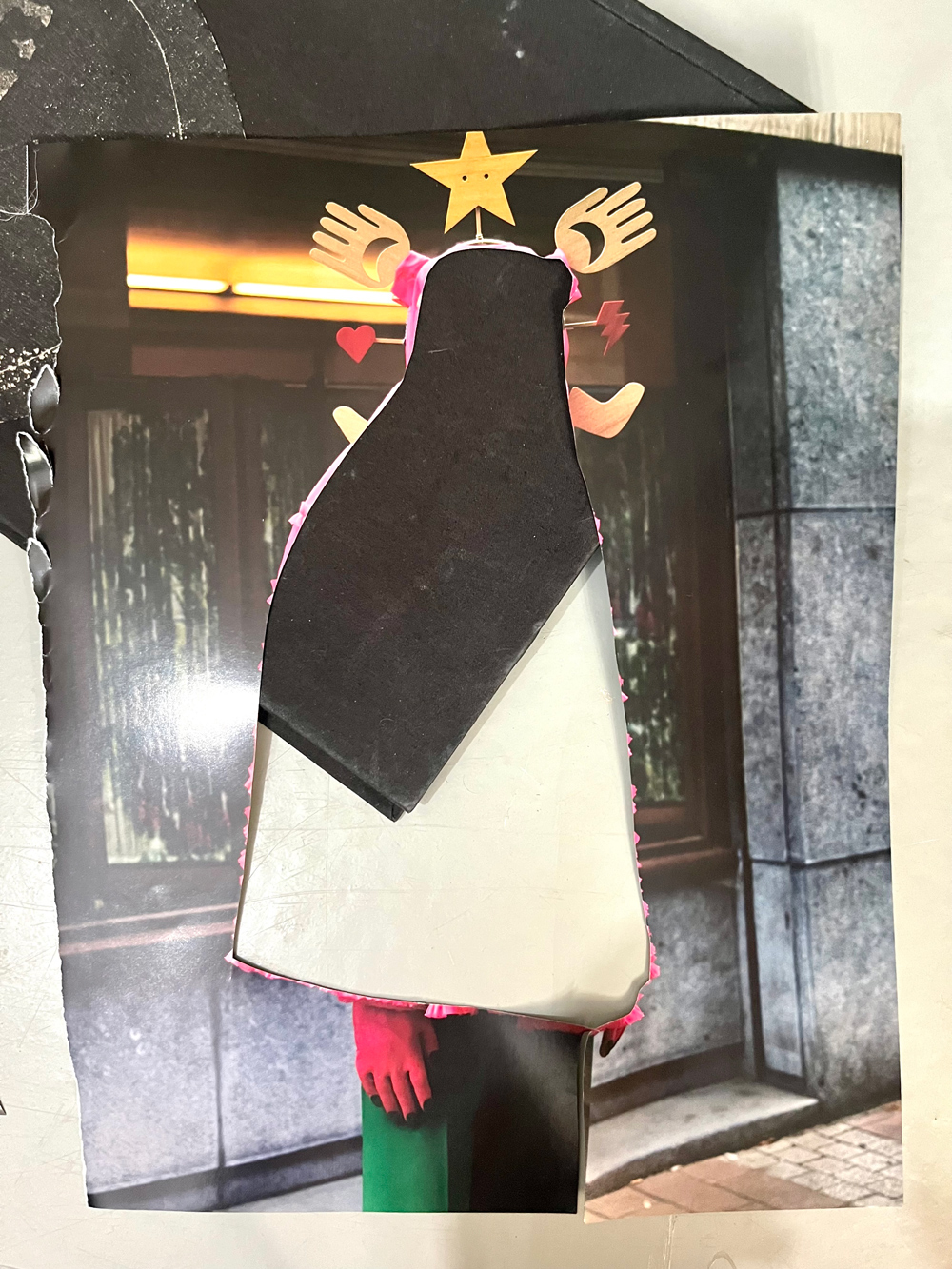
11.8″x8″; analogue collage; 2024. Courtesy of the artist.
Bettina Homann, Berlin, Germany
www.bettinahomann.de
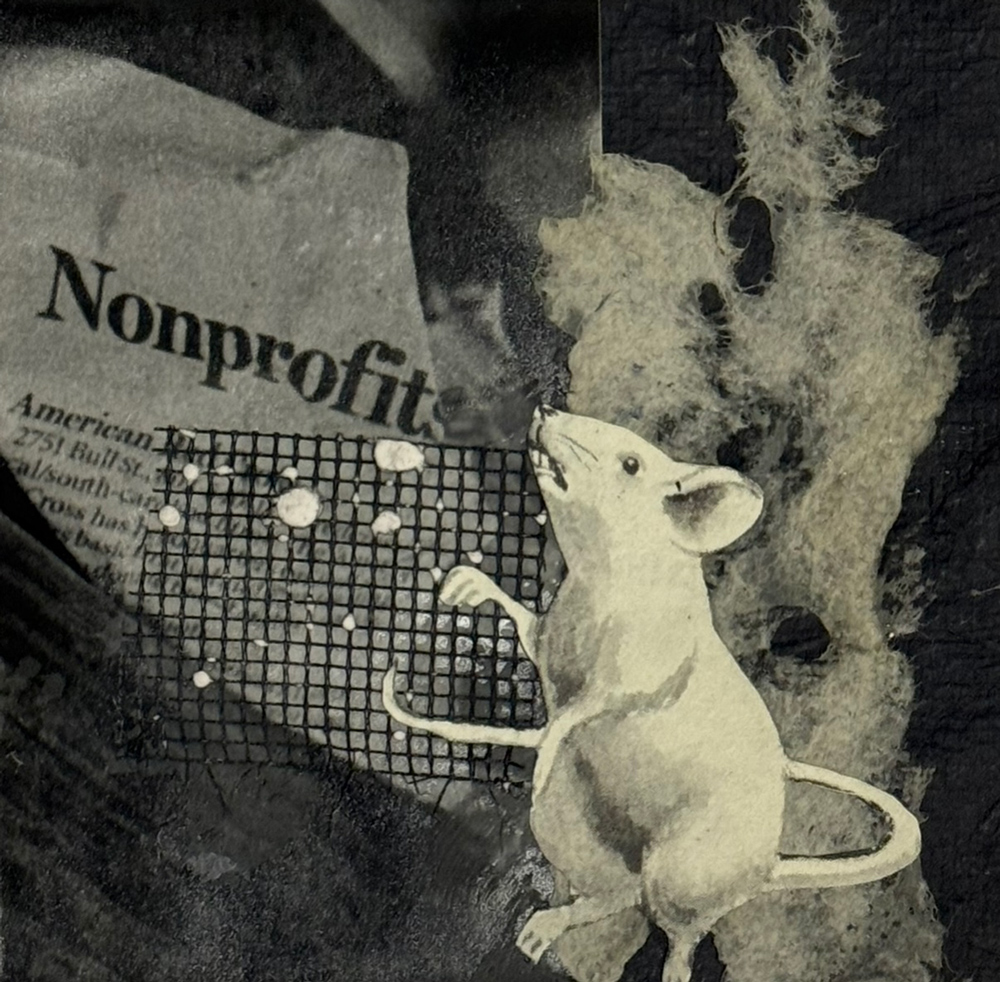
4″x4″; collage; 2024. Courtesy of the artist.
Kat Martin, Columbia, South Carolina, USA
INSTAGRAM
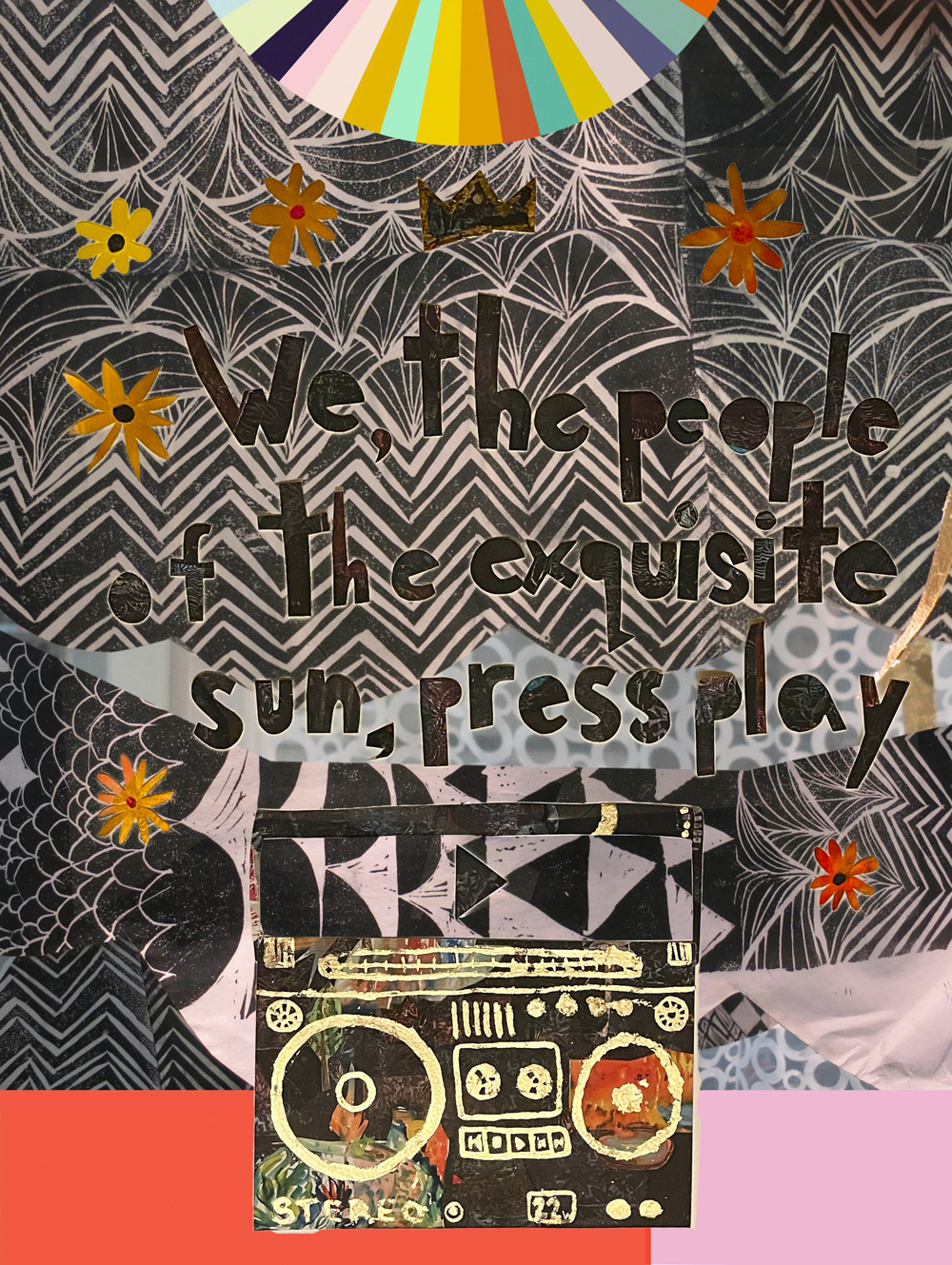
papercut and digital collage; 2025. Courtesy of the artist.
Anna J. McIntyre, Montreal, Quebec, Canada
INSTAGRAM
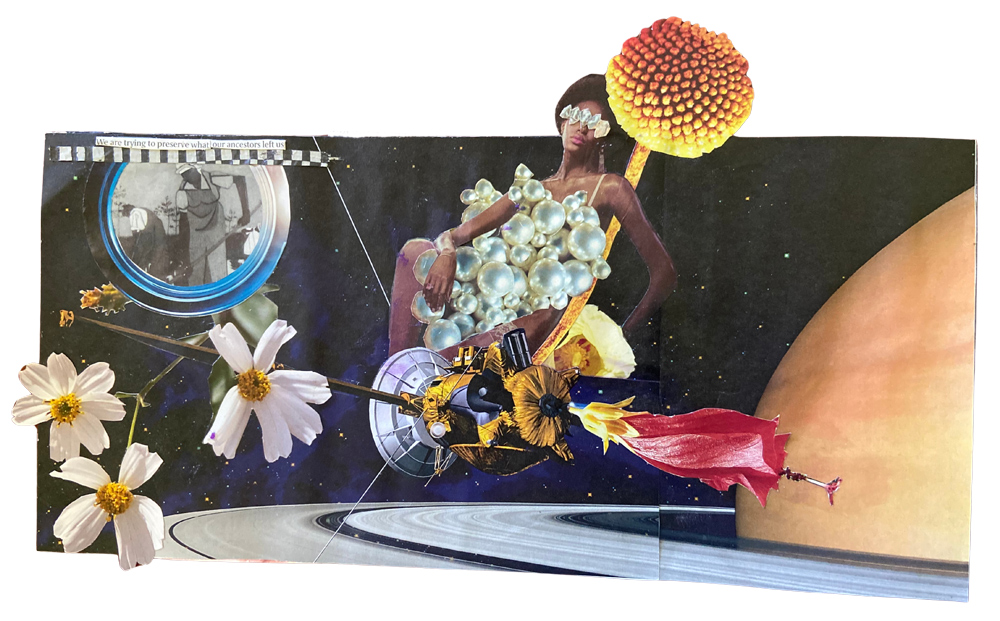
collage. Courtesy of the artist
Kelley Nicole Palmer, Ancram, New York, USA
www.kelleynicolepalmer.space/glimpse
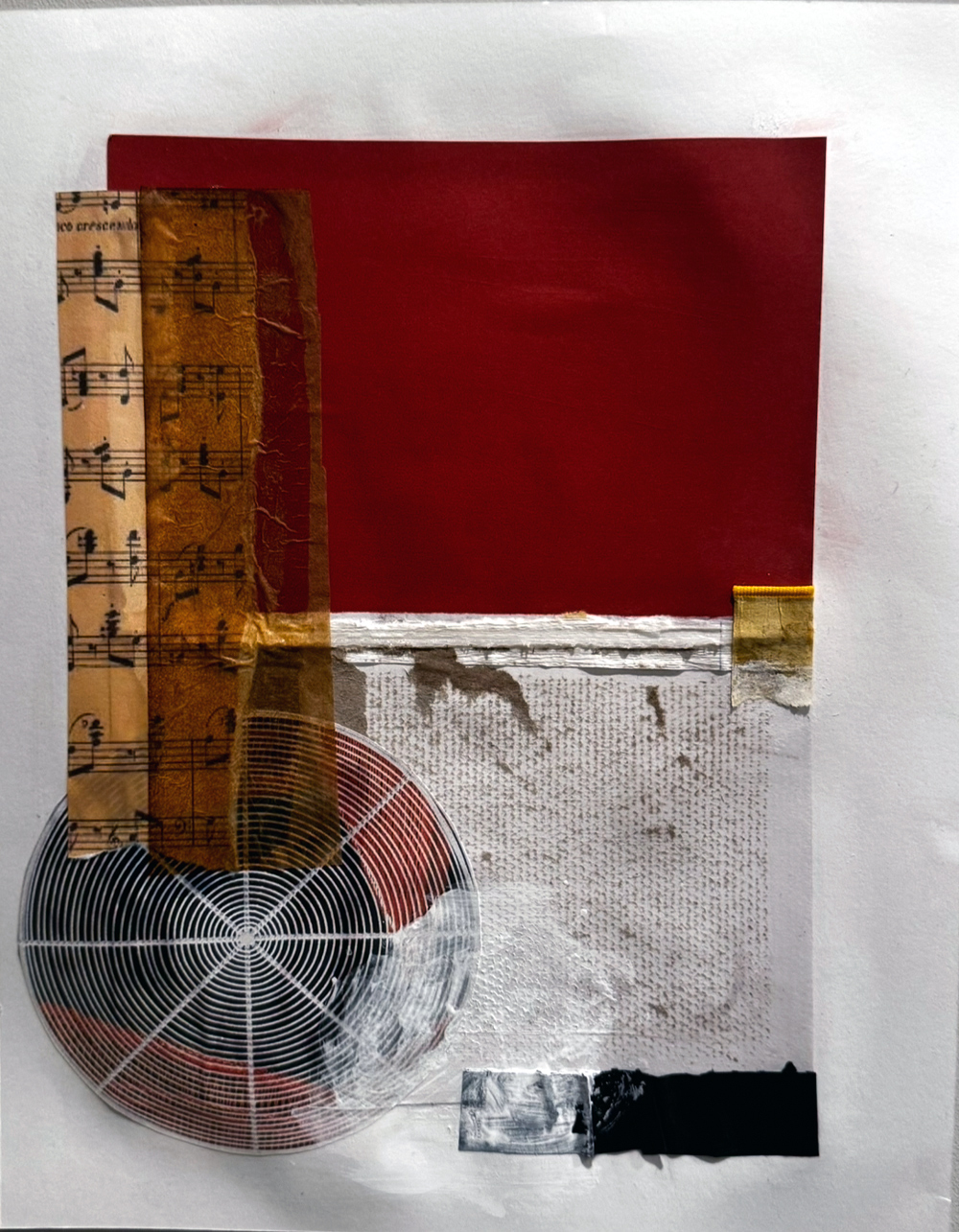
collage. Courtesy of the artist.
Lynette Sifiso, Bethesda, Maryland, USA
www.studiolynettesifiso.com
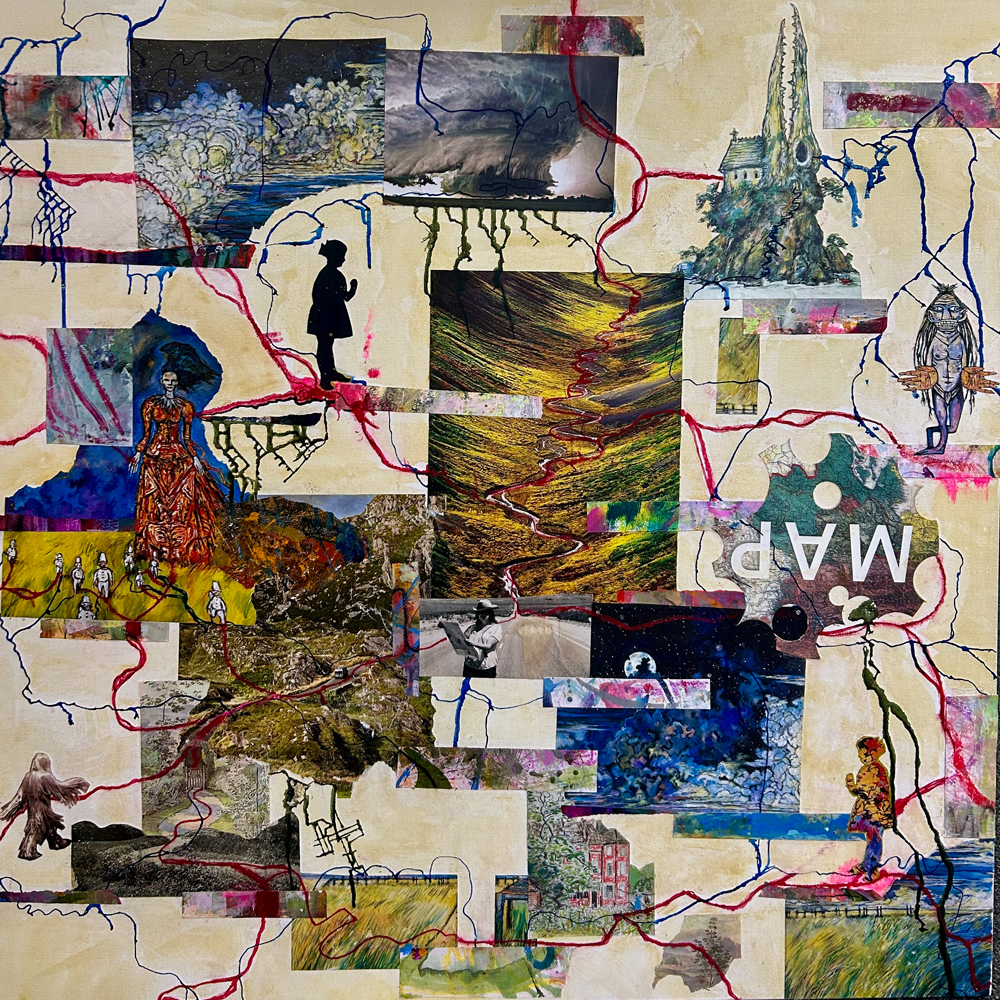
collage. Courtesy of the artist.
Holly Trent, Thousand Oaks, California, USA
www.hollytrent.com
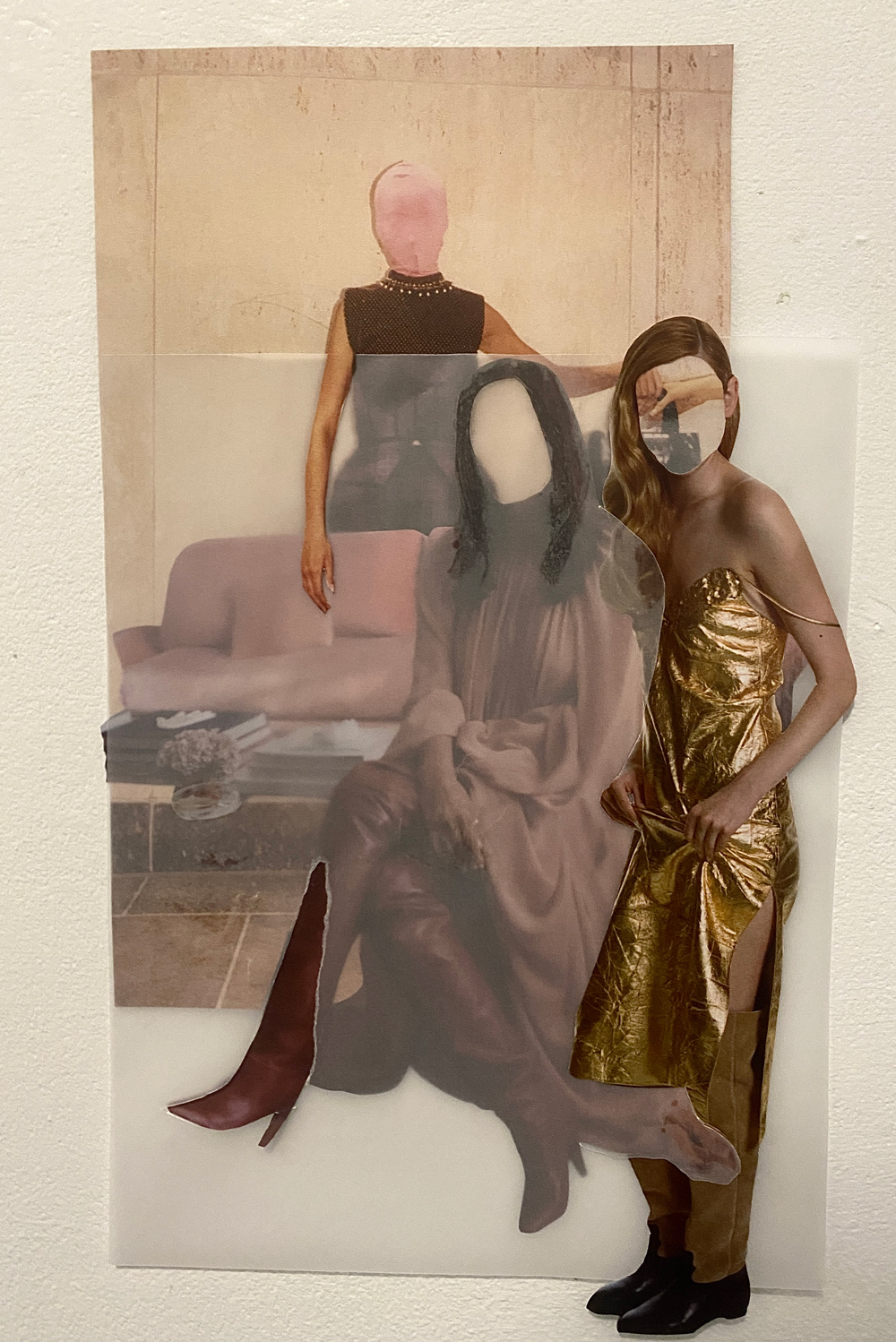
14.625″x8.5″; magazine paper and glue; 2025. Courtesy of the artist.
Tracy von Ahsen, New York, New York, USA
www.tracyvonahsen.com
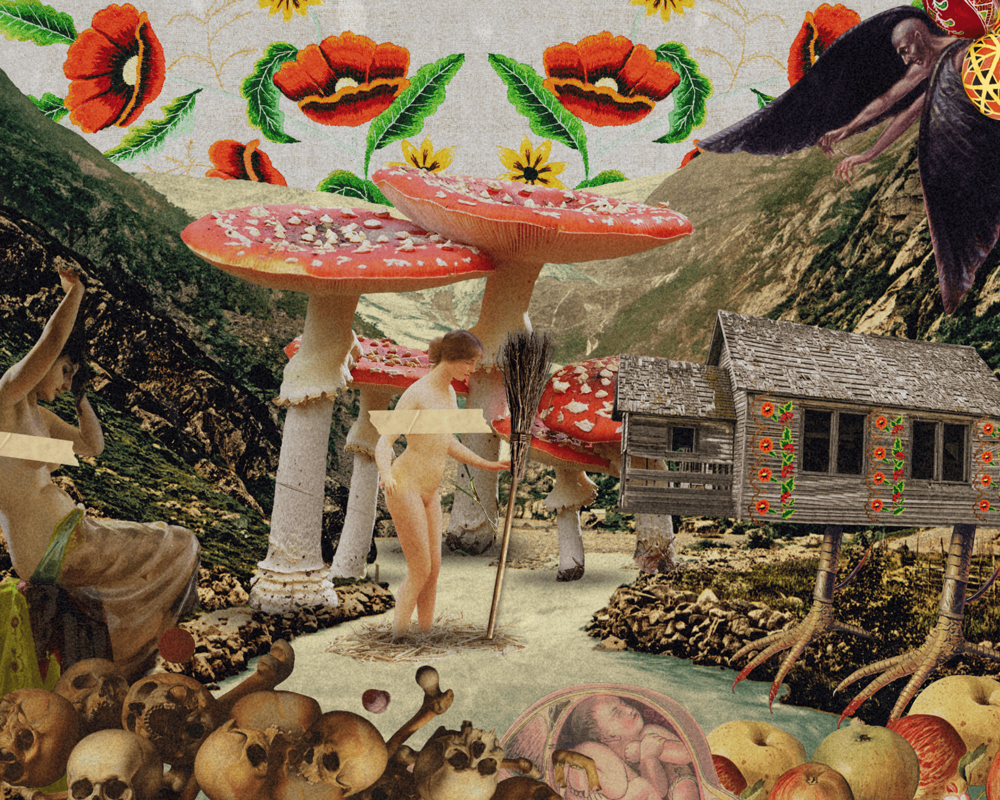
18″x24″; digital images; 2024. Courtesy of the artist.
Tiffany Wilson, Reston, Virginia, USA
pinebella.etsy.com
ABOUT THE FACULTY
Ric Kasini Kadour, a 2021 Andy Warhol Foundation for the Visual Arts Curatorial Fellow, is a writer, artist, publisher, and cultural worker. Working with the Vermont Arts Council, Kadour curated four exhibits: “Connection: The Art of Coming Together” (2017) and Vermont Artists to Watch 2018, 2019 and 2020. In 2017, he curated “The Art of Winter” at S.P.A.C.E. Gallery in Burlington, Vermont. In 2018, Kadour curated “Revolutionary Paths: Critical Issues in Collage” at Antenna Gallery in New Orleans, which bought together collage artists whose work represents the potential for deeper inquiry and further curatorial exploration of the medium; followed in 2019 by “Cultural Deconstructions: Critical Issues in Collage” at LeMieux Galleries in New Orleans, which furthered the conversation; and “Amuse Bouche”, also at LeMieux Galleries in 2023. Since 2018, he has produced Kolaj Fest New Orleans, a multi-day festival & symposium about contemporary collage and its role in art, culture, and society. As Curator of Contemporary Art at Rokeby Museum in Ferrisburgh, Vermont in 2019 and 2020, he curated three exhibitions, “Rokeby Through the Lens” (May 19-June 16, 2019), “Structures” (August 24-October 27, 2019), and “Mending Fences: New Works by Carol MacDonald” (July 12-October 25, 2020). He also curated “Contemporary American Regionalism: Vermont Perspectives” (August 17-October 20, 2019); “Where the Sun Casts No Shadow: Postcards from the Creative Crossroads of Quito, Ecuador” (November 1-30, 2019); and “Many Americas” (August 20-November 27, 2022) in the Wilson Museum & Galleries at the Southern Vermont Arts Center. “The Money $how”, co-curated with Frank Juarez, was presented at the AIR Space Gallery at Saint Kate-The Arts Hotel in Milwaukee, Wisconsin (April 10-September 12, 2021). For Birr Vintage Week & Arts Festival in Birr, County Offaly, Ireland (August 13-20, 2021), he curated “Empty Columns Are a Place to Dream”, which traveled to the Knoxville Museum of Art in January-February 2022. At 516 ARTS in Albuquerque, New Mexico, Kadour co-curated with Alicia Inez Guzmàn two exhibitions: “Many Worlds Are Born” (February 19-May 14, 2022) and “Technologies of the Spirit” (June 11-September 3, 2022). In 2023 at the Knoxville Museum of Art, Kadour curated “Where the Sun Casts No Shadow: Postcards from the Creative Crossroads of Quito, Ecuador” (January 9-February 16, 2023) and “Mystical Landscape: Secrets of the Vale” (March 17-May 28, 2023). In September 2023, he curated “Word of Mouth: Folklore, Community and Collage” at A’ the Airts in Sanquhar, Scotland. At Kolaj Institute Gallery, he curated “Grand Opening Exhibition” (March 9-April 14, 2024), “Collage the Planet: Environmentalism in Art” (April 19-May 26, 2024), “Magic in the Modern World” (June 1-August 11, 2024), “Advanced Wound Healing Techniques: Collage by Robbie Morgan” (August 16-October 6, 2024), “Temporal Geolocation: How Place & History Inform Identity in Collage” (October 11-November 24, 2024), “Camera & Collage” (November 29, 2024- January 25, 2025), “Joy and Grief: An Exhibition of Collage” (April 12-May 31, 2025), “Collage As Art Movement” (June 14-August 31, 2025), “Big Orange Monster: An Emergency Collage Exhibition” (September 10-October 18, 2025), and “Trash as Material” (October 25-November 29, 2025).
His first short film, The Covenant of Schwitters’ Army, debuted at Collage on Screen during Kolaj Fest New Orleans 2023. His second, Joy Is Paper, debuted at Collage on Screen during Kolaj Fest New Orleans 2024. Kadour is the editor and publisher of Kolaj Magazine. He has written for a number of galleries and his writing has appeared in Hyperallergic, OEI, Vermont Magazine, Seven Days, Seattle Weekly, Art New England (where he was the former Vermont editor) and many others. Kadour maintains an active art practice and his photography, collage, and sculpture have been exhibited in and are part of private collections in Australia, Europe and North America. In January-February 2020, he was artist-in-residence at MERZ Gallery in Sanquhar, Scotland. He holds a BA in Comparative Religion from the University of Vermont. Kadour splits his time between Montreal and New Orleans. www.rickasinikadour.com