ARTIST LAB UPDATE
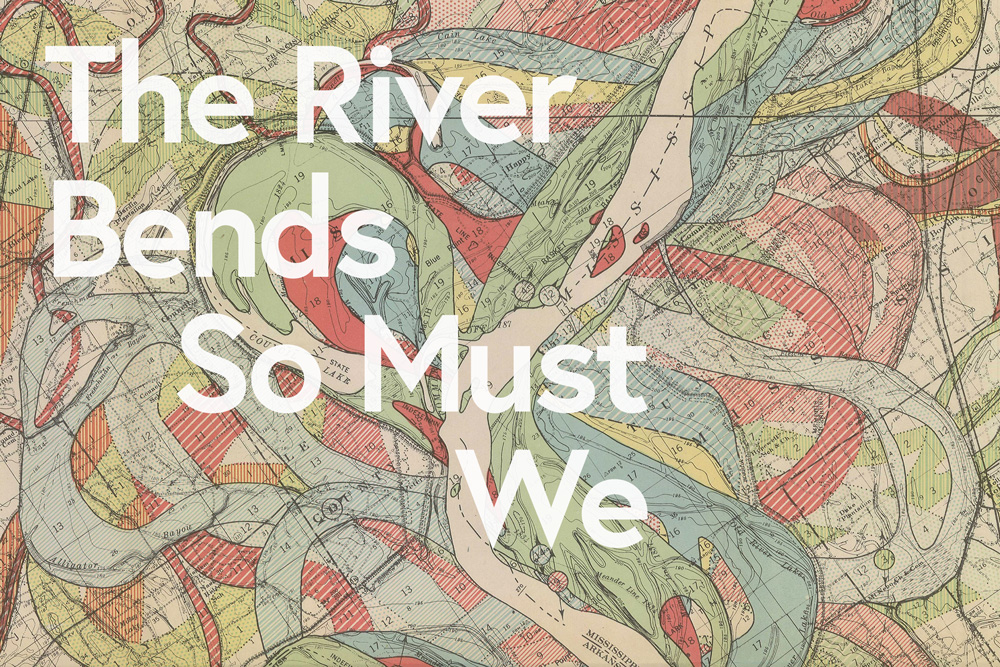
The River Bends & So Must We: In-Person Collage Artist Lab
An in-person artist lab in New Orleans, Wednesday, 9 September to Sunday, 13 September 2026
Rivers are cornerstones of human civilization. Rivers sustain life and connect us to one another. Fifty-two billion gallons of water pass through New Orleans each day via the Mississippi River. The river shapes the city’s history, its culture, its soul. The country sends its goods down river and New Orleans sends its culture up. New Orleans would not be without its river. Rivers transcend time. They exist in a perpetual state of change. Heraclitus wrote, “No man ever steps in the same river twice, for it’s not the same river and he is not the same man.”
“The River Bends and So Must We” is a project of Kolaj Institute that reflects on the Mississippi River as a dynamic force of culture. In 2026 and 2027, we will bring together artists from the International Collage Community to make artwork that imagines and speaks to what lessons the River can teach us about our own humanity. We will consider the history of the River in New Orleans from primordial times, pre-Columbian civilization, and to the present moment. We will examine how the River is an economic force, a tool of power, a natural wonder, and source of magic. We will take up Maya Angelou’s (1928–2014) invitation in her poem, “On the Pulse of Morning”, and “Speak to humankind today. Come to me, here beside the River.”
The goal of the Collage Artist Lab is to equip artists with tools and strategies for picking up the unfinished work of history and speak to contemporary civic discourse around social, economic, and environmental issues. Through interactive sessions, collections research, and collaborative collage making, artists will explore their process and practice; present a slideshow of their work; receive supportive, critical, curatorial feedback about their ideas; and discuss contemporary issues. The Lab will speak to issues of appropriation, copyright, and fair use and explore how the artist’s choice and understanding of material shapes the narrative of the artwork. Artists will leave the Lab with a new perspective on their art practice.
Artists will explore historical materials about the Mississippi River and work together to make a research archive for the project. Drawing from that archive, artists will develop plans for art making. Through a series of presentations, site visits, and walks, artists will explore using archives and history; the role of artist research; develop strategies of making, exhibiting, and publishing collage art that speaks to a sense of place and history; hear about Kolaj Institute Projects and how artists can make art for books and exhibitions around photography and collage, architecture, trash as materials, folklore, poetry, and place as archive.
While in New Orleans, 9-13 September, artists will work side-by-side to make an artwork that will be considered for the “Place as Archive” exhibition at Kolaj Institute Gallery in October 2026as well as other forms of diffusion. Artists will attend NOLA River Fest 2026 on 12 September. Hosted by the New Orleans Jazz Museum, the annual NOLA River Fest “remember(s) and celebrate(s) the influences of the Mississippi River on New Orleans’ geography, economy, and culture.” Artists will also be introduced to the Williams Research Center at the Historic New Orleans Collection, where they will explore the River as Culture.
After the Lab, artists will be invited to submit 3-5 collages and a statement that will be considered for future exhibitions at Kolaj Institute Gallery, and a book about the “The River Bends & So Must We” Project.
OUTCOME
Artist Labs are designed to develop a proposal for a contemporary art project or body of artwork. Artwork made during and after the lab will be considered for exhibitions at Kolaj Institute Gallery in New Orleans and future publications on Place as Archive. By participating in the River Bends and So Must We Artist Lab, artists will become members of Kolaj Institute’s Place as Archive Project and be invited to submit to exhibitions, contribute to programs at Kolaj Fest New Orleans or Kolaj LIVE Online, and receive curatorial and community support for their projects through one-on-one meetings and virtual meet-ups.
PARTICIPATING ARTISTS
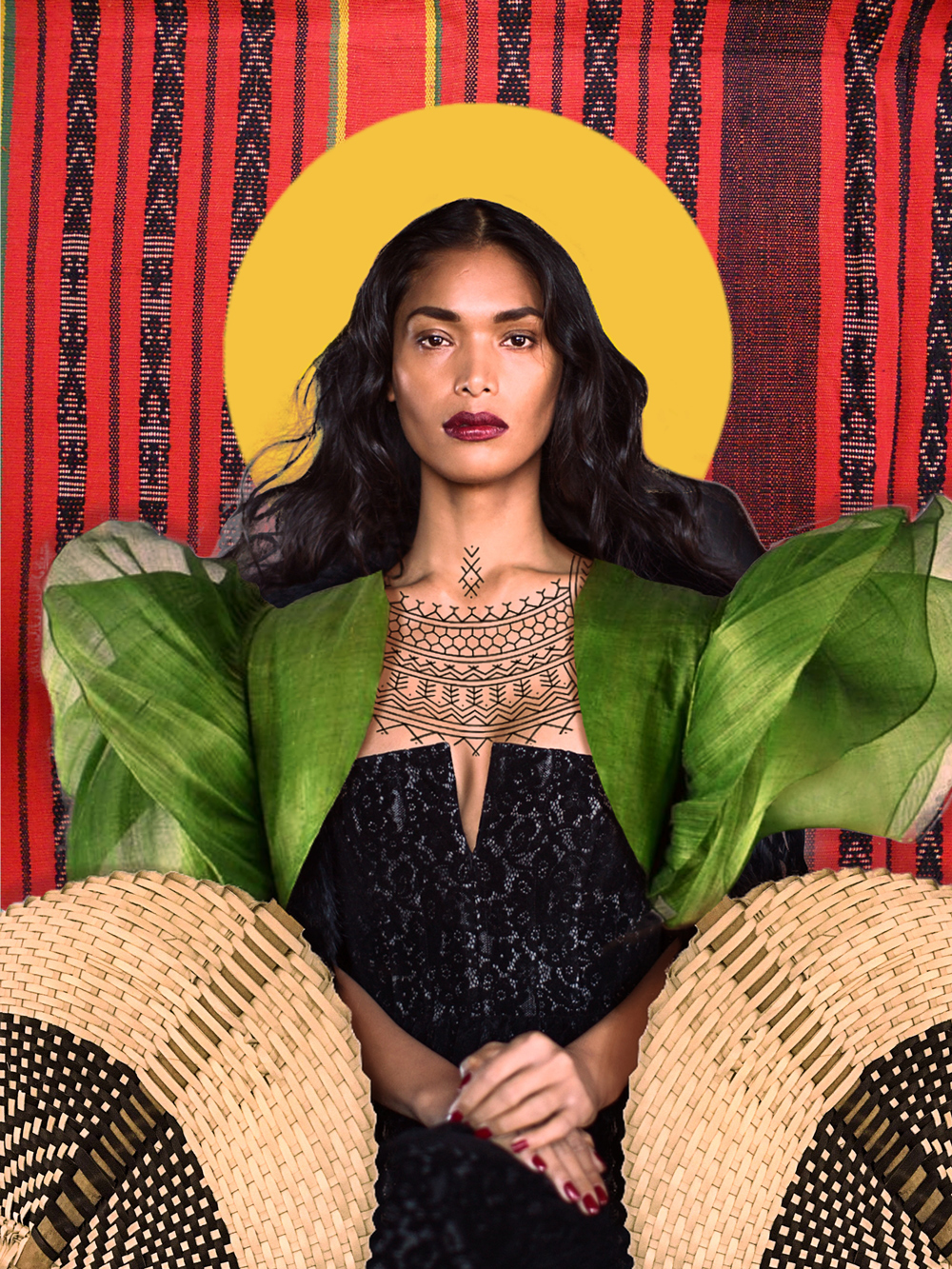
15.4″x11″; digital collage; 2019. Courtesy of the artist.
Andi Vicente, Montreal, Quebec, Canada
andivicente.com
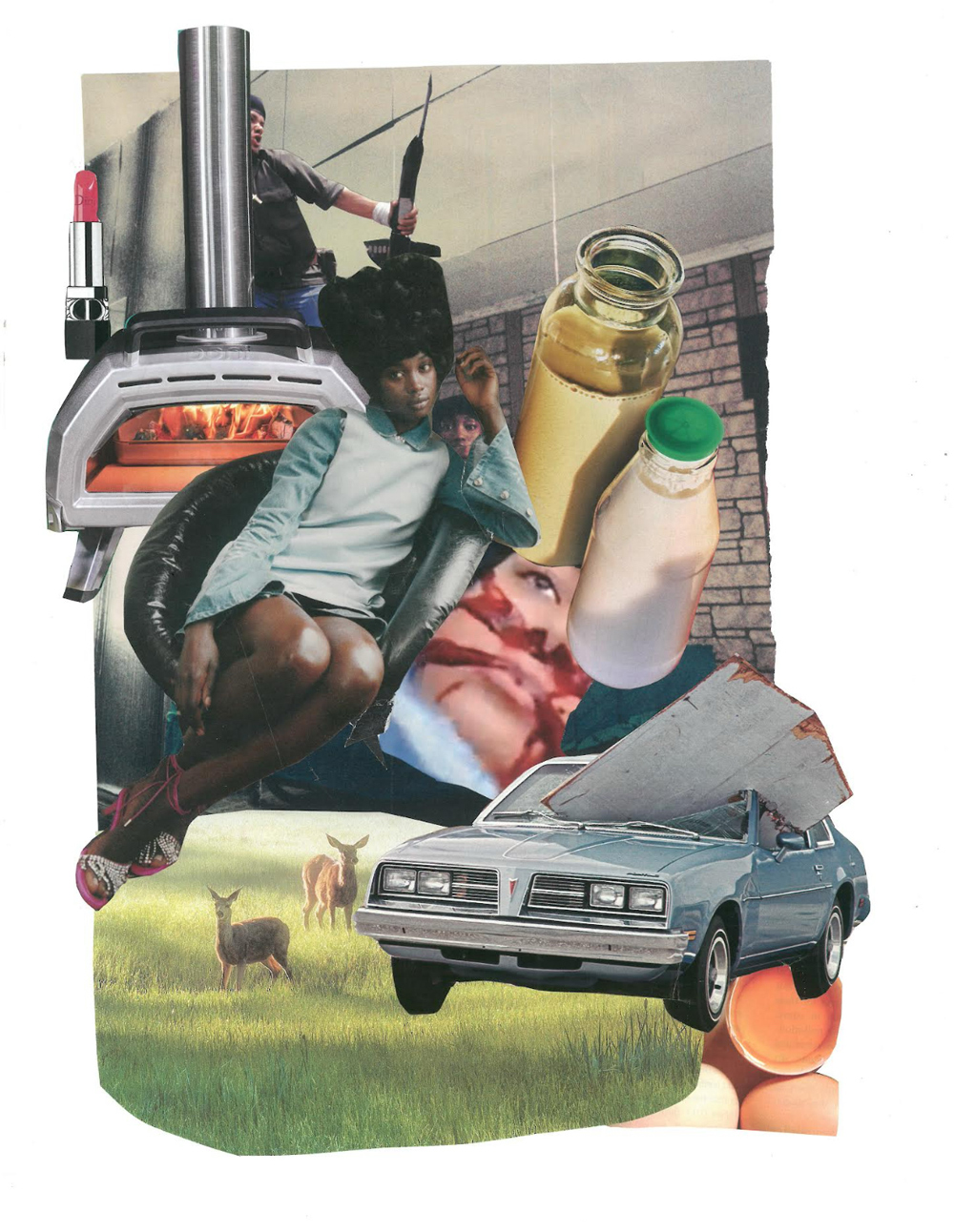
collage. Courtesy of the artist
Gia Anansi-Shakur, New York, New York, USA
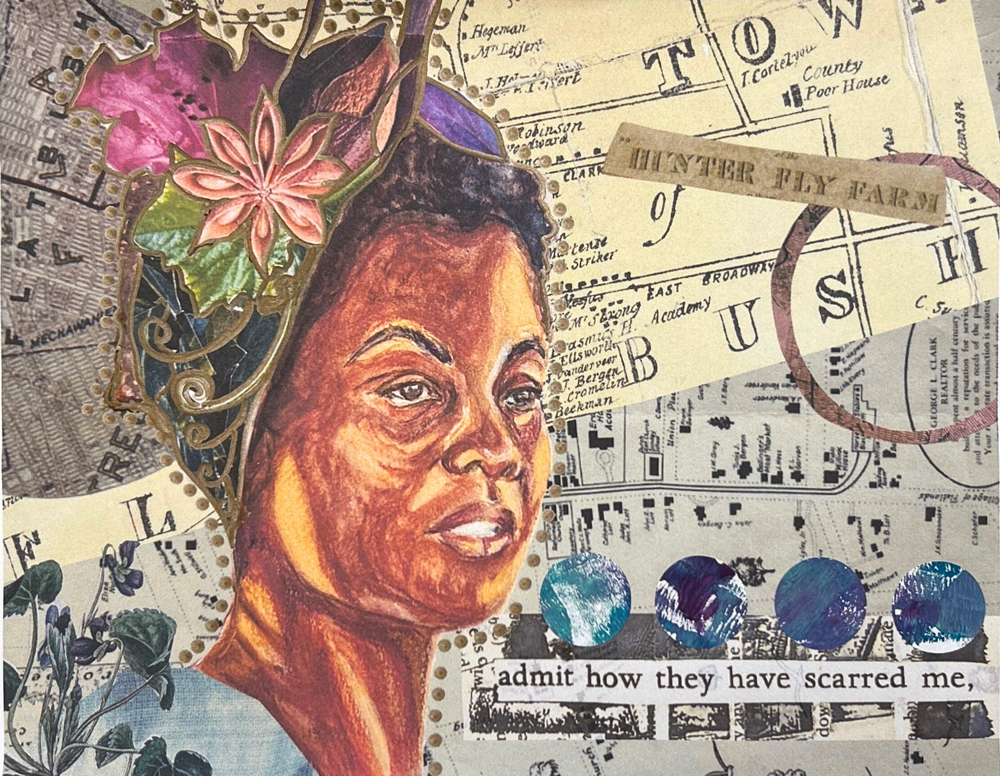
8.5″x11″; watercolor, ink, and collage; 2025. Courtesy of the artist.
Jennella Young, Brooklyn, New York, USA
INSTAGRAM
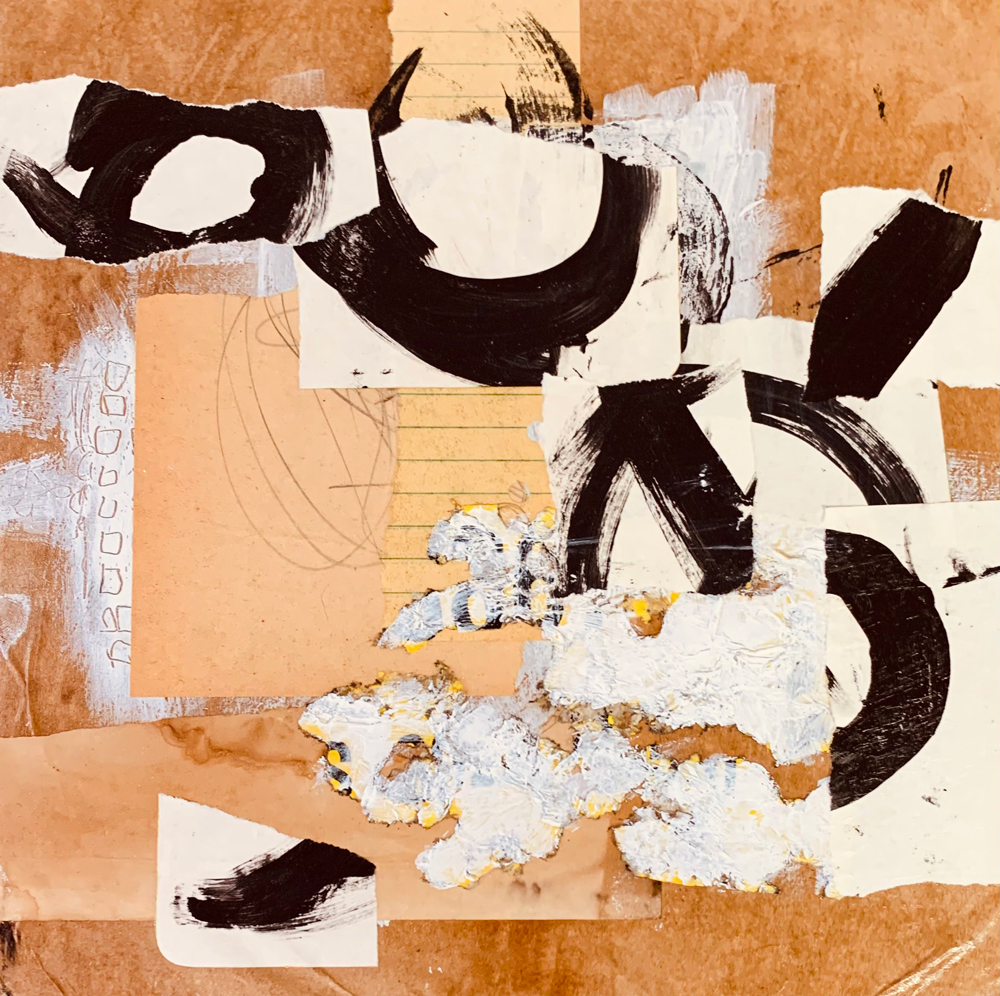
12″x12″; collage on canvas; 2014. Courtesy of the artist.
Johanna Merfeld, Great Barrington, Massachusetts, USA
INSTAGRAM
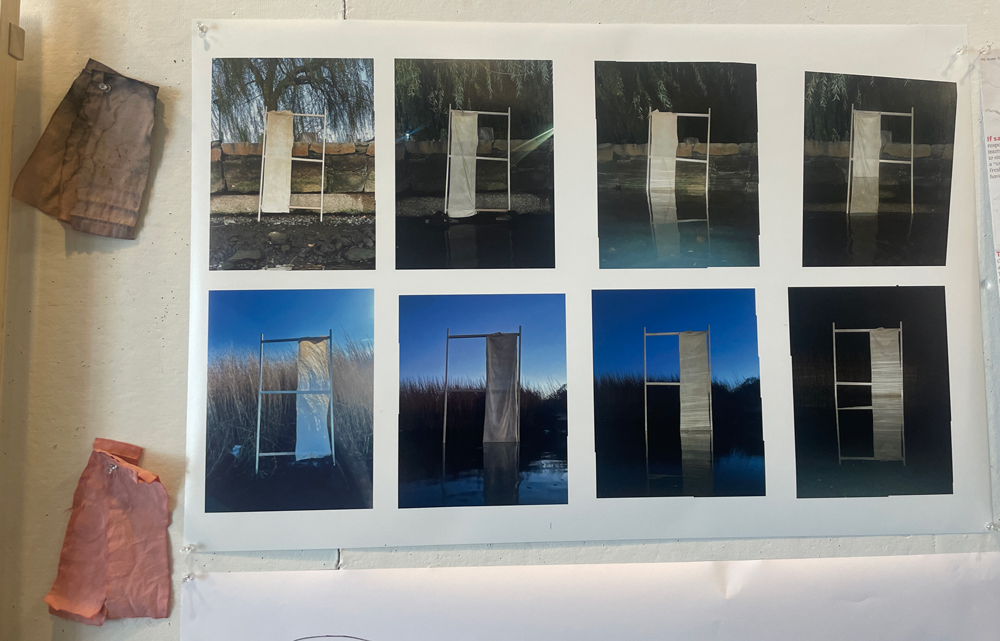
dimensions variable; iPhone images on paper; 2024. Courtesy of the artist.
Maya Sosland, New Orleans, Louisiana, USA
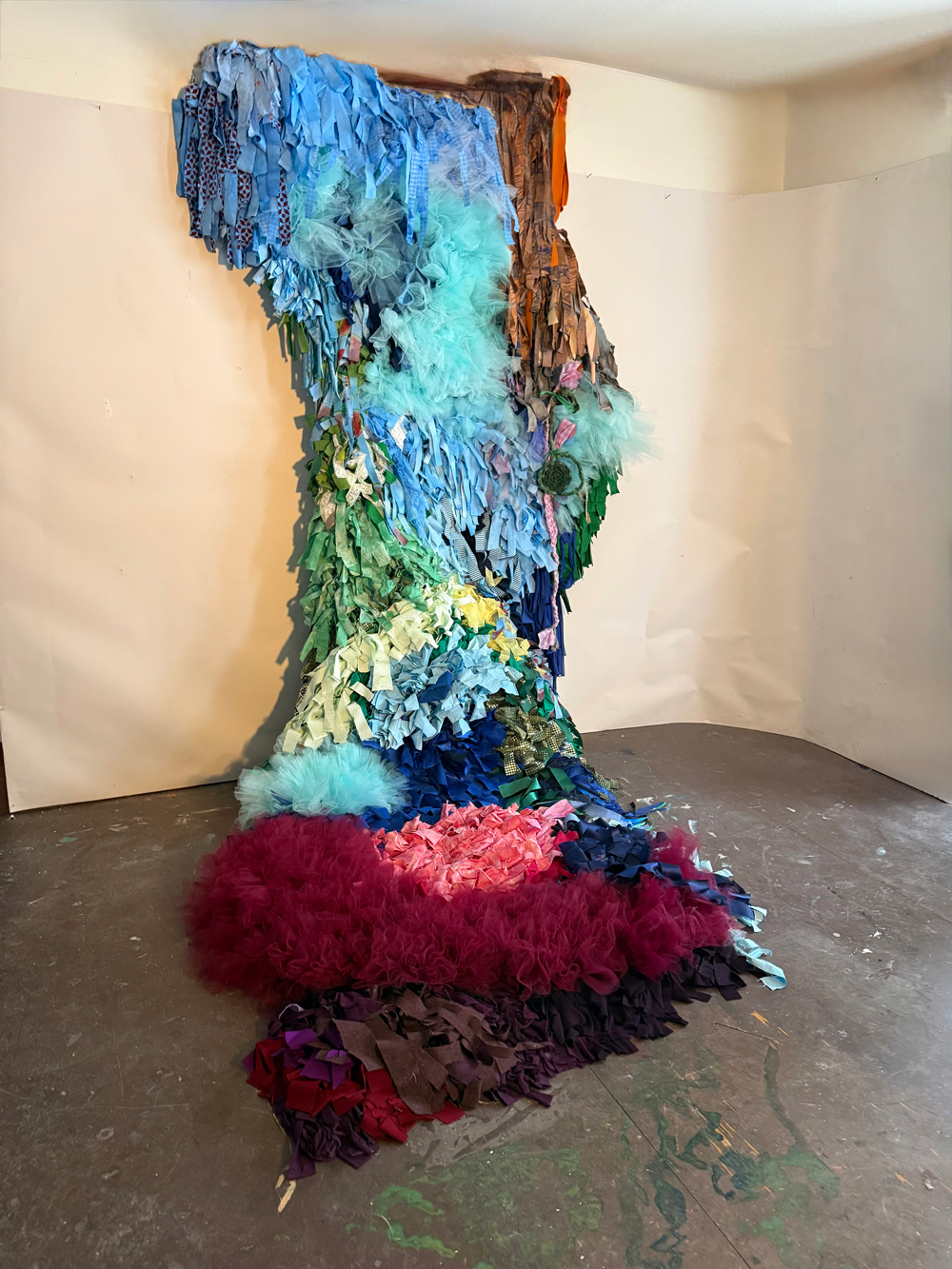
108′”x48″, fabric, wire, ribbon; 2025. Courtesy of the artist.
Mirzam Perez, New Orleans, Louisiana, USA
www.mirzamperez.com
26 minutes; field recordings and modular synthesis; 2026. Courtesy of the artist.
Patrick Irwin, Nashville, Tennessee, USA
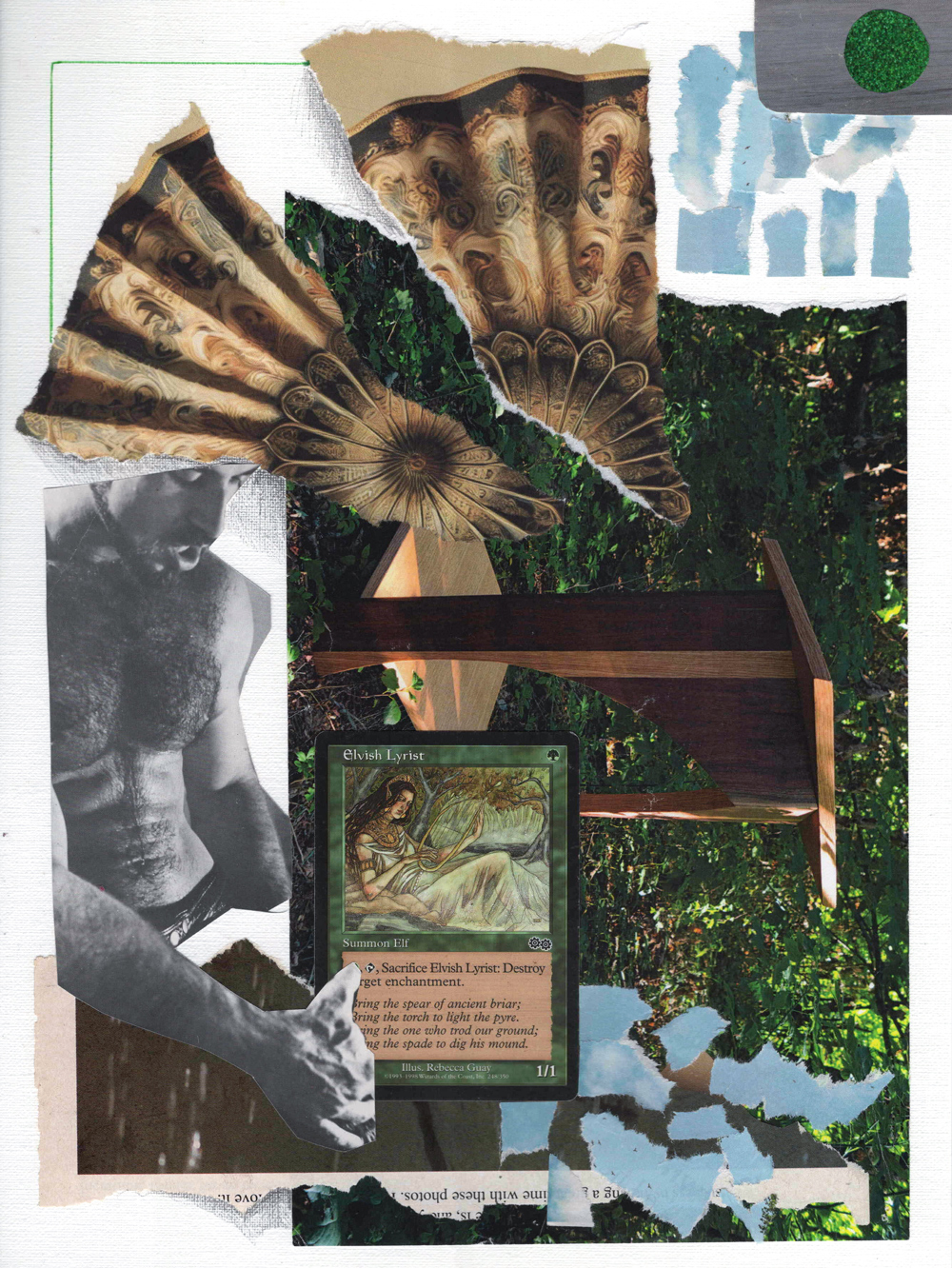
12″x9″; Magic the Gathering Card, erotica from Fred Bookhardt’s estate, fishing and hunting magazines; 2026. Courtesy of the artist.
Seth Ter Haar, New Orleans, Louisiana, USA
www.sethterhaar.com
ABOUT RIC KASINI KADOUR
Ric Kasini Kadour, a 2021 Andy Warhol Foundation for the Visual Arts Curatorial Fellow, is a writer, artist, publisher, cultural worker, and the director of Kolaj Institute. His curation work includes exhibitions in Louisiana, New Mexico, Quebec, Scotland, Tennessee, Wisconsin, and Vermont. Kadour is the editor and publisher of Kolaj Magazine, as well as the editor of the Kolaj Institute journals, PoetryXCollage and Folklore Collage Society. He has written for a number of galleries and his writing has appeared in publications including Hyperallergic, OEI, Art New England (where he was the former Vermont editor), and Wissenschaft & Frieden. Kadour maintains an active art practice and his photography, collage, film and sculpture have been exhibited in and are part of private collections in Australia, Europe and North America. In January-February 2020, he was artist-in-residence at MERZ Gallery in Sanquhar, Scotland. He holds a BA in Comparative Religion from the University of Vermont. Kadour splits his time between Montreal and New Orleans.